Member Spotlight
Tell us a little about your organization.
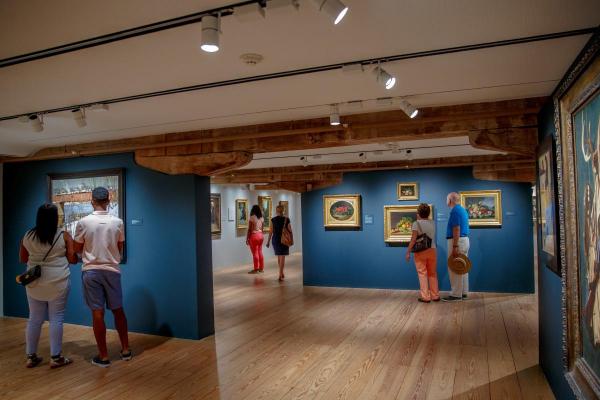
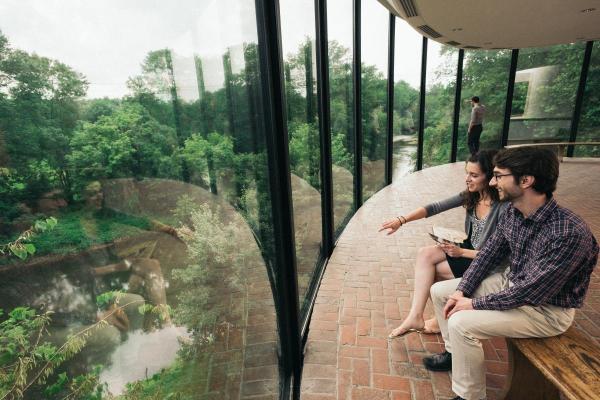
The Brandywine River Museum of Art features a distinguished collection of nineteenth- and twentieth-century American art, housed in a renovated nineteenth-century gristmill with a dramatic steel and glass addition that overlooks the bucolic Brandywine River. The Museum’s collection is comprised of over 4,000 works, encompassing a cross-section of American art with a special focus on artistic practice in the Brandywine region.
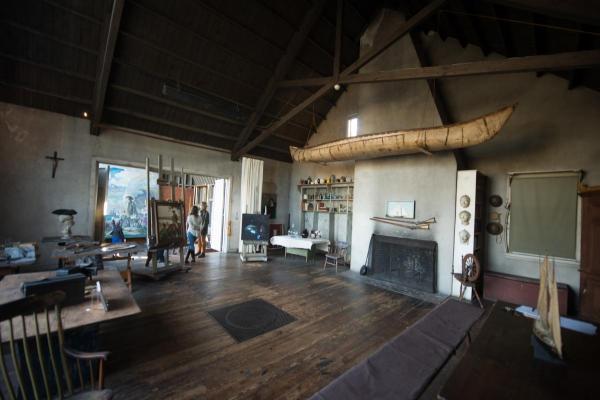
Renowned for its holdings of the Wyeth family of artists, the Museum features galleries dedicated to the work of N. C. Wyeth, Andrew Wyeth and Jamie Wyeth. The Museum’s historic properties, including the N. C. Wyeth House and Studio, the Andrew Wyeth Studio and Kuerner Farm—all National Historic Landmarks—are open for seasonal tours and provide remarkable insight into the unique creativity of the remarkable Wyeth family who found inspiration in the Brandywine Valley.
The Museum’s outstanding Heritage Collection is a cross section of American art, with a special focus on artistic practice in the Brandywine valley. Nineteenth- and twentieth-century landscape paintings testify to the beauty which drew well-known artists to the area. Important portraits, still life paintings and notable holdings in American illustration add diversity and breadth to this unique collection. A robust program of changing special exhibitions places the Museum’s collection into the broader contexts of American art.
The Museum is one of the two programs of the Brandywine Conservancy & Museum of Art, which preserves and promotes the natural and cultural connections between the area’s beautiful landscape, historic sites and important artists. The Conservancy protects the lands throughout the Brandywine Valley, developing new conservation approaches and assuring access to majestic open spaces and dependable water supplies for generations to come. The Museum of Art presents and collects historic and contemporary works of American art, engaging and exciting visitors of all ages through an array of exhibitions and programs. The Brandywine unites the inspiring experiences of art and nature, enhancing the quality of life in its community and among its diverse audiences. In keeping with the Brandywine Conservancy & Museum of Art’s spirit of preservation, surrounding the Museum are wildflowers, trees and shrubs native and indigenous to the greater Brandywine region. Plants are selected to provide a succession of bloom from early spring through the first frost.
How have you grown as an organization?
In the mid-1960s, Chadds Ford, Pennsylvania—a rural community nestled in the historic Brandywine Valley—faced possible massive industrial development. The impact would have dramatically changed the character and future of this area. At the same time, and for decades thereafter, development proposed throughout the region, particularly in floodplain areas, threatened to devastate water supplies for numerous communities in southeastern Pennsylvania and northern Delaware, including the City of Wilmington.
Appreciating the need for rapid action, a group of local residents bought endangered land and founded the Brandywine Conservancy in 1967. Today, the Conservancy holds more than 483 conservation easements and has protected more than 64,500 acres from development in Chester and Delaware counties, Pennsylvania, and in New Castle County, Delaware.
In 1971, the Conservancy opened the Brandywine River Museum of Art in the renovated Hoffman’s Mill, a former gristmill built in 1864 that was part of the Conservancy’s first preservation efforts. Nearly 200,000 visitors discovered the Brandywine River Museum of Art that first year. Today, more than five million visitors later, the Brandywine has an international reputation for the quality of its collections of Wyeth and American art, and a robust program of innovative special exhibitions. Nearly 300 special exhibitions have been shown in the Museum’s six galleries, along with constant installations of work from the collection. A variety of educational programs is offered throughout the year.
What made you want to join the Cultural Alliance?
“The Brandywine became a member of the Greater Philadelphia Cultural Alliance in 2003,” notes Virginia Logan, Brandywine’s Executive Director and C.E.O. “Since then, we’ve benefited from invaluable guidance on industry best practices, as well as the many educational initiatives, services and other resources the Cultural Alliance offers to its members. I’ve also had the distinct pleasure of serving as a board officer for the Cultural Alliance for six years. My current role as the board’s Vice Chair has been a rich and rewarding experience.
“On the local level, we also benefit from working with the Cultural Alliance’s Michael Norris through the Delaware County Arts Consortium (DCAC)—a group effort to bring together various arts and culture organizations in Delaware County in order to partner, collaborate and raise the collective profile of arts opportunities in the area. Through support of the Cultural Alliance, the DCAC will be spearheading its first-ever “Delco Arts Week” festival, coming in the fall of 2019.”
What are you most excited about for this season/that is coming up?
Coming up in June 2019, the Brandywine will open N. C. Wyeth: New Perspectives, a landmark exhibition focusing on N. C. Wyeth’s art career and achievements. Well known during the 20th century for his bold, imaginative illustrations that brought new characterizations to classic stories such as Treasure Island and The Boy’s King Arthur, N. C. Wyeth vigorously pursued parallel interests in painting landscapes, seascapes, portraits, still lifes, murals and advertising images throughout his career. N. C. Wyeth: New Perspectives will be the first exhibition to examine in depth the entirety of Wyeth’s oeuvre, repositioning him within the greater context of early 20th century American visual culture. Organized by the Brandywine River Museum of Art and the Portland Museum of Art, the exhibition will include approximately 70 paintings and drawings selected from major museums and private collections. A concurrent and related exhibition, N.C. Wyeth: A Personal Perspective, will highlight N. C. Wyeth ephemera from the collection of artist Douglas Allen. An avid collector since his childhood, Allen’s assemblage of posters, books and advertisements shows how Wyeth was part of the popular culture of his time. The exhibitions will be on view June 22, 2019 to September 15, 2019.